


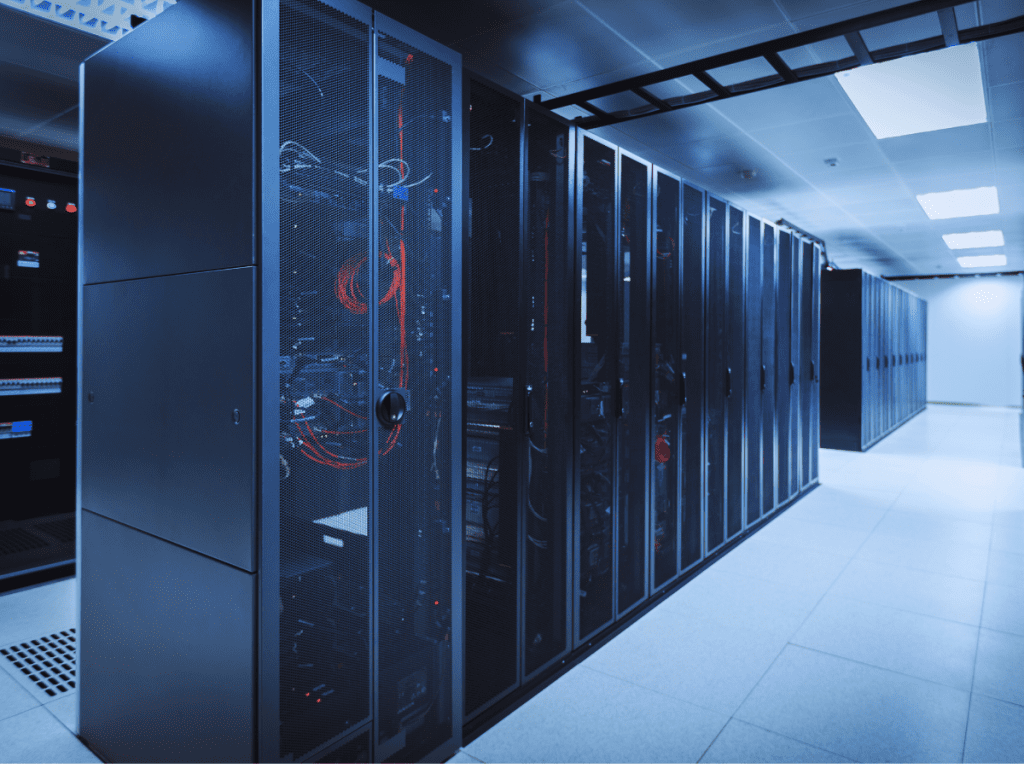
A typical afternoon outside Meta’s Data Center in Huntsville was seemingly quiet. But for neighbors who live just outside the city, in Madison County, along West Ridge Drive, they said that calm doesn’t always last.
“Sometimes an alarm will go for 12 hours before they turn it off, it’s not super loud but it’s noticeable,” said Harold Greenleaf, a resident of West Ridge Drive.
Other neighbors who didn’t want to speak on camera said the noise is most noticeable at night when generators are running. Everyone we spoke with agreed construction was the worst part.
“When they were building it, it was a little noisy,” Greenleaf stated.
The data center proposal in Bessemer will soon head to city council for approval. City leaders signed a non-disclosure agreement, so some details have yet to be released, including who is behind it.
“Every time I’ve approved projects for the city, I’ve signed an NDA,” mayor Kenneth Gulley stated to ABC 33/40’s I-Team back in April.
From attending planning and zoning meetings over the last few months, we know the project is listed under Logistic Land Investments LLC. Project leaders said it would bring jobs and significant economic impact.
“The site would go from benefiting the city of about a couple thousand in tax revenue a year to a couple hundred million in tax revenue,” said Brad Kaaber at June 17th’s meeting.
However, people who live just hundreds of feet away from the proposed site worry about noise, environmental concerns and potential long-term health effects.
“It would be intrusive. It would be ever present 24/7. Our quality of life would go in the toilet,” said Jefferson County resident Ron Morgan, one of many who have expressed opposition to the project.
The proposal spans roughly 700 acres and calls for 18 buildings, each about 250,000 square feet. That project would be even larger than Meta’s data center in Huntsville, which totals roughly 2.5 million square feet. If the data center in Bessemer is built, both facilities would sit in cities that border counties outside the city limits, raising questions for nearby residents who aren’t represented by the cities making the decisions.
“We never got a consideration of what’s good for the citizens of western Jefferson County,” Marshall Killingsworth, another resident near the proposed site said.
Back in Madison County, Harold Greenleaf has already seen how the landscape changed.
“When we moved in here, one of things was nice, it was all cornfields and we had a lot of wildlife, but that’s all gone. We had wild turkeys, deer, you don’t see anything anymore,” he explained.
In Huntsville, Meta’s data center was built in an industrial park. That’s the kind of location residents in Jefferson County believe would be a better fit than what’s being proposed near their homes.
“They aren’t a bad neighbor, it’s just not as good as it was,” Greenleaf said. “That would be any industry they put in there, there’d be negatives, not positive. Nothing’s gonna make it better for me.”
In 2024, Governor Kay Ivey announced Meta’s plans to build a data center in Montgomery, the company’s 20th in the country, at the time.
As the demand for things like cloud storage and artificial intelligence continues to grow, so does the need for data centers
“It’s interesting because think about your phone, how many photos you have, how many times you use chat GPT to ask a question about something, that’s data that’s being used, generated, stored, everything in the cloud and all of that needs to be powered and sustained,” explained Executive Vice President for Consumer Energy Alliance, Kevin Doyle. Doyle said that increased demand means more capacity and more energy.
“Right now data centers account for about 3% of all electricity demand across the country, but over the next 5-6 years, you’re looking at tripling that to 10% so it’s growing faster and faster,” Doyle said.
Doyle said he doesn’t believe consumer rates will be affected by a data center. He added, it’s important to have energy policies in place that support the demand and growth that’s needed.
“A state like Alabama where you have good energy policy, I think consumers should be in pretty good shape, but in other states, like the northeast and Virginia, where you have demand higher than capacity, you’re going to have some situations. Alabama is probably attractive to folks building data centers because they have the infrastructure in place,” said Doyle.
Alabama may be well-positioned to meet the demand, but for those living nearby, the future comes with concerns.
While the demand of data centers continues to grow.
“It’s where the future is when it comes to the economies around the world, data is going to be like currency, so the more data centers we’re able to support, the more we’re in control of the data and information we need for the future years to come, economies to come, securities to come,” said Doyle.