
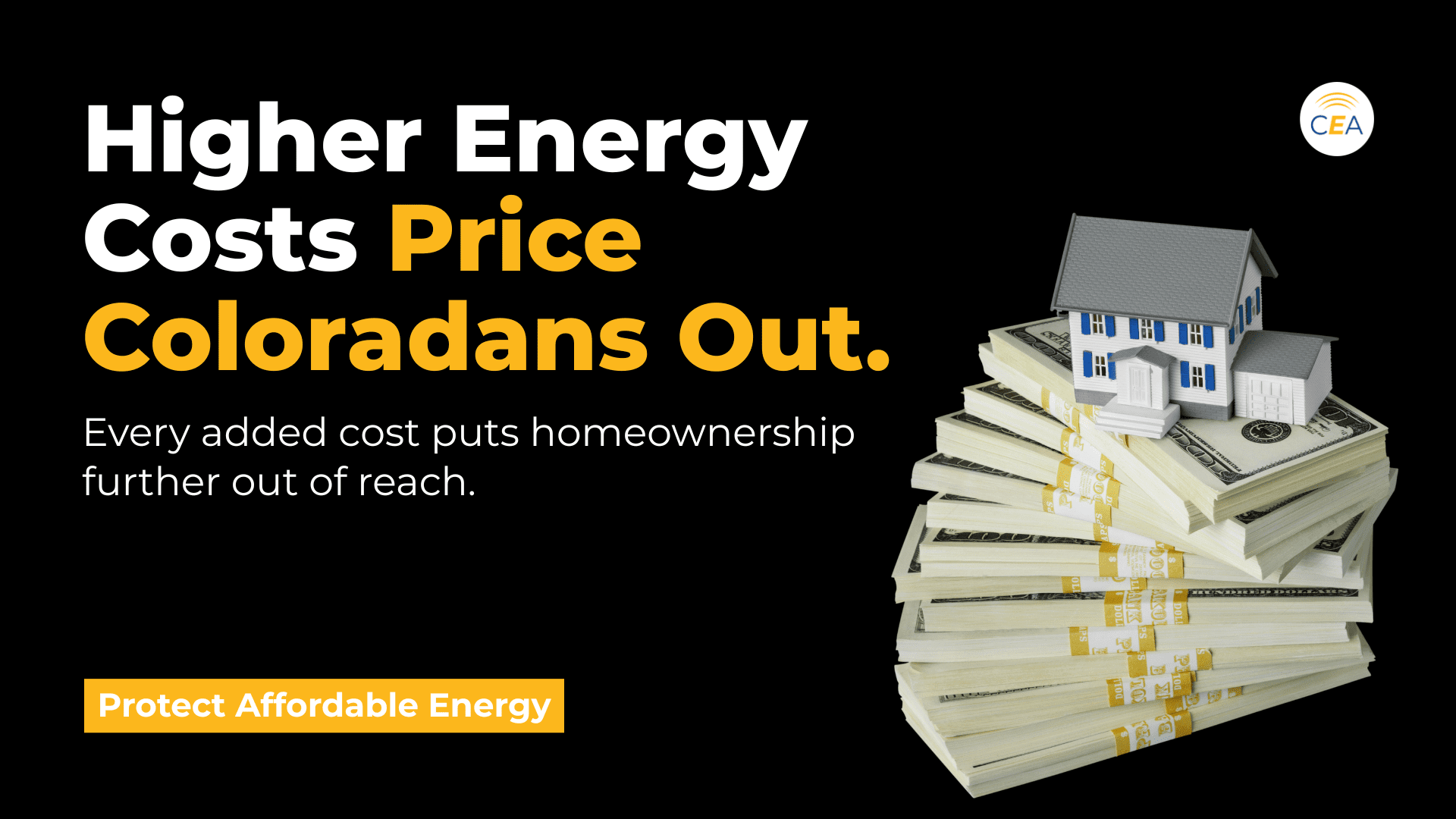
Colorado has made real progress in improving its energy landscape. Cleaner technologies, efficiency improvements, and innovation have helped reduce emissions and modernize the state’s energy system. But for many families, those gains come with a growing concern, rising energy bills that make housing harder to afford.
Today, one in five Colorado families spend 7% or more of their income on energy bills. When energy costs rise alongside housing prices, families are squeezed from both sides. Progress matters, but it must be paired with affordability, or working families are left behind.
Housing Costs Don’t End at the Front Door
Housing affordability is often measured by rent or mortgage payments, but that overlooks a major piece of the monthly budget. Energy bills are unavoidable in Colorado’s climate. Heating homes through long winters, cooling them during summer heat, and powering everyday life all depend on affordable, reliable energy.
For renters, rising energy bills often show up as higher rents or added costs. For homeowners, unpredictable energy expenses make it harder to plan and save, especially for seniors and families living paycheck to paycheck. When energy costs increase, even modest housing can become unaffordable.
True housing affordability means families can afford to live in their homes, not just secure them.
Environmental Progress Should Work for Families
Colorado’s efforts to reduce emissions and improve efficiency are important, and many of these initiatives have delivered real environmental benefits. Cleaner energy technologies and smarter energy use can and should be part of the state’s future.
But environmental progress must also be practical. When policies move faster than infrastructure or limit access to reliable energy, costs can rise for consumers. Families shouldn’t have to choose between supporting environmental goals and keeping their homes warm and livable.
The goal should be affordable, reliable, and cleaner energy, solutions that protect both the environment and household budgets.
Who Feels Rising Energy Bills the Most?
Higher energy costs don’t affect everyone equally. Lower-income households spend a larger share of their income on energy, leaving less room for increases. Seniors on fixed incomes, young families, and rural residents often feel the impact first.
When energy bills rise:
- Renters have fewer affordable housing options
- Homebuyers qualify for less, limiting access to ownership
- Families cut back on food, healthcare, or savings
- Seniors face difficult decisions about home heating
These are real consequences that environmental progress must account for.
Reliable Energy Is Key to Affordability
Natural gas continues to play a critical role in keeping home energy costs affordable in Colorado. It provides dependable, dispatchable energy when families need it most, especially during cold winters and periods of peak demand. For households already stretched thin, the type of energy powering their homes makes a real difference. According to the U.S. Department of Energy, natural gas is more than three times as affordable as electricity, helping keep monthly energy bills manageable for millions of families.
Affordability over time matters just as much as affordability today. Stable energy prices allow families to plan, budget, and stay housed without fear of sudden cost spikes. Natural gas prices have historically been less volatile and are projected to remain significantly lower than other fuel options in the decades ahead, an important consideration for Colorado families facing rising housing and living costs.
Overreliance on weather-dependent energy sources without sufficient backup can strain the system and increase energy bills. A balanced energy mix helps ensure Colorado’s environmental gains do not come at the expense of affordability or reliability.
Energy Efficiency Helps but It Can’t Do It Alone
Energy efficiency programs are an important part of Colorado’s progress. Improved insulation, efficient appliances, and smarter energy use help family’s lower consumption and reduce emissions.
But efficiency alone cannot offset rising energy prices. Even the most efficient home still relies on access to affordable energy. If system-wide costs increase, families will feel it regardless of efficiency gains.
Affordability requires pairing efficiency with reliable energy supply.
Rising Energy Bills Affect Housing Supply
Energy affordability also influences housing development. Builders and developers consider long-term energy costs when planning projects. When energy becomes more expensive or unpredictable, fewer affordable housing developments move forward.
This leads to:
- Higher construction and operating costs
- Fewer affordable housing units
- Higher rents to cover expenses
- Slower housing growth in high-demand areas
Environmental progress should support not slow housing solutions.
A Balanced Path Forward
Colorado doesn’t have to choose between environmental progress and affordability. Practical energy solutions can deliver both. That means:
- Supporting a diverse energy mix that controls costs
- Investing in infrastructure that improves reliability
- Encouraging innovation without sacrificing affordability
- Ensuring policies reflect real-world impacts on families
Balancing environmental progress with economic opportunity ensures energy solutions work for families, businesses, and the environment.
Why This Matters for Colorado Families?
When energy bills rise, housing stability suffers. Families are forced to make tradeoffs that affect their health, finances, and future. Environmental progress is important, but it must be paired with affordability to truly serve consumers.
For Colorado families, energy bills are more than just another expense. They are a deciding factor in whether housing remains within reach. Ensuring affordable, reliable, and cleaner energy is one of the most practical ways to strengthen communities and support housing stability across the state.