
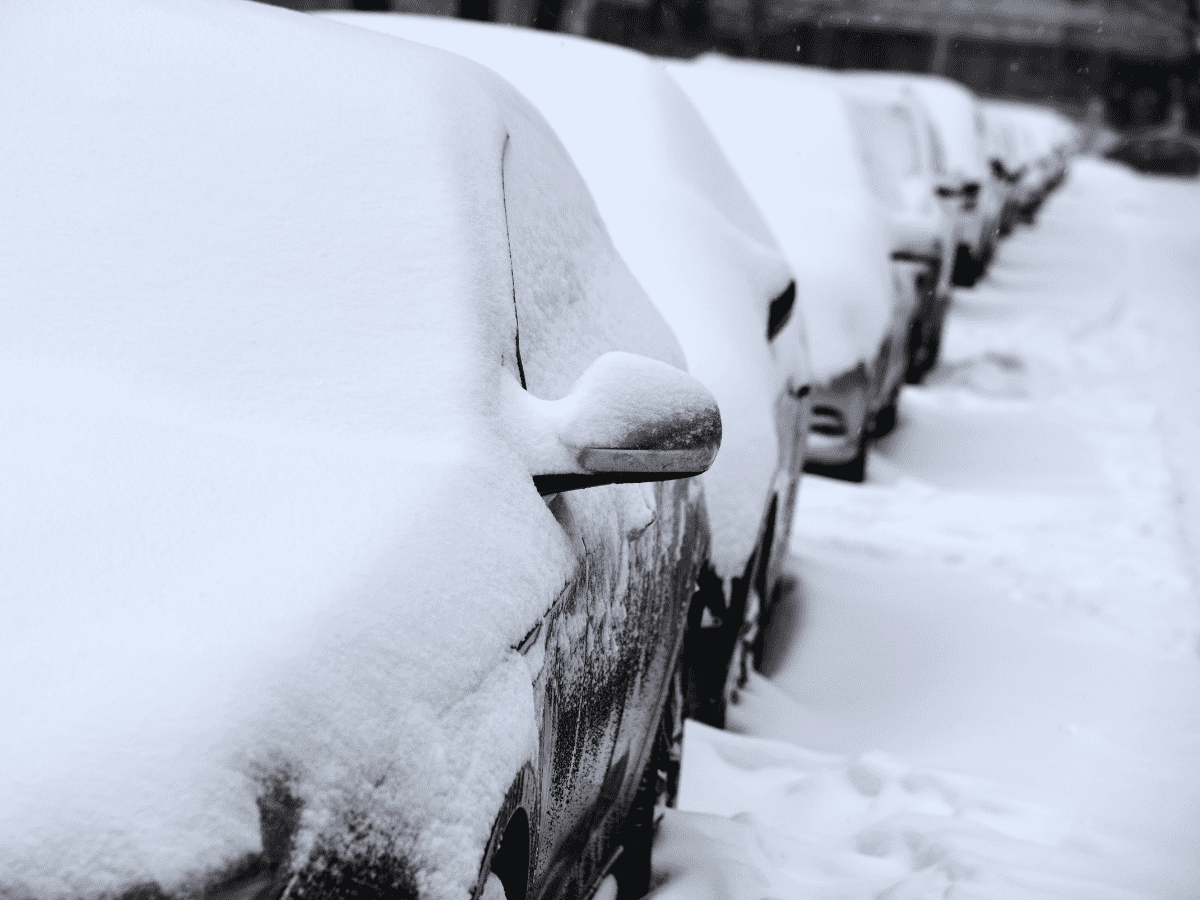
When Winter Storm Fern swept across the country in late January, it did something useful: it cut through a lot of received wisdom about American energy.
During Winter Storm Fern, oil provided 35% of New England’s peak power generation — and much of that came from natural gas plants that switched to fuel oil because they couldn’t get enough gas through constrained pipelines. Burning trash and wood generated more electricity than wind and solar combined, according to the Department of Energy.
This is in a region where the states have, by and large, refused to build pipelines and other necessary energy infrastructure, leading to inadequate capacity to meet overall demand and crucially, heating. Much of that resistance was done in the name of making energy cleaner, yet the opposite has happened. In other states, factories had to close temporarily as gas demand for heating surged.
All of this points to one conclusion: we have not built the infrastructure America needs to keep prices affordable and energy reliable and cleaner. The path to a cleaner grid runs through a pipeline, not around one.
Predictably, certain voices blamed LNG exports as the cause of constrained gas demand. It is a tempting conclusion to make: the United States produces more natural gas than any nation on Earth, has become the world’s largest LNG exporter, and yet some factories had to temporarily shut down when temperatures dropped.
The culprit isn’t exports — a tired, played-out argument made by elected leaders for decades about oil and more recently, natural gas. The culprit is the decade-plus war on the pipelines and infrastructure that would have carried that gas where it was needed.
A recent EIA forecast for lower natural gas prices next year illustrates why the old argument is out of touch. The forecast demonstrates exactly what has changed because of America’s world-beating gas production, and why the infrastructure to get it where it is needed is even more important than before.
Natural gas prices spiked to an average of $7.72 per MMBtu in January, driven by the surge in heating demand and the record weekly storage withdrawal during Fern — the largest in the history of EIA’s Weekly Natural Gas Storage Report.
Here’s what EIA Administrator Tristan Abbey said alongside those numbers: “Winter Storm Fern caused significant short-term pressure on natural gas markets, but we expect higher prices in the near term will increase drilling … Ultimately, this will result in lower natural gas prices next year than we had forecast.” The updated forecast puts Henry Hub at $4.30 per MMBtu in 2026 and $4.40 in 2027 — 5% below January’s forecast.
That’s how an enormously productive, responsive domestic gas industry works. Price signals trigger drilling. Production responds. Prices come back down. Restricting exports in a fit of panic over a weather emergency would punish a system that’s doing exactly what it’s supposed to do, while doing nothing to solve the actual problem.
That’s why it is more important than ever before to reverse course, so American families, small businesses and farmers have the energy they need, where they need it and when they need it. As the result of activists and their elected allies spending the better part of 15 years making it nearly impossible to build critical energy infrastructure, the problem is bigger than it should have been.
For example, New York and New England fully utilize their natural gas infrastructure during cold weather periods, which is the direct consequence of two decades of infrastructure suppression.
American heavy industry operates at roughly one-third the energy cost of Europe and Japan because of its natural gas access, according to a recent Wall Street Journal analysis. That advantage is not guaranteed. It erodes every time a pipeline permit is denied, every time legal intervenors succeed in running up costs until a project becomes financially untenable, every time a state government decides that blocking infrastructure is a substitute for a real energy policy.
The answer to another Winter Storm Fern is not to restrict exports; it is to build the infrastructure that lets American gas reach American businesses and American families when they need it most.
That means federal and state permitting reform. It means limiting the litigation tactics that are used not to improve projects but to kill them. It means recognizing that new pipelines aren’t a concession to one form of energy over another — they’re the connective tissue that makes the whole system work.
The gas is there. The demand is there. What’s been missing is the infrastructure, and the political will to build it. Winter Storm Fern made that gap impossible to ignore, while illuminating the path forward.